


- Home
- Laparoscopic Surgery
Laparoscopic Gynecologist Surgeon in Bhopal
Laparoscopic Gynecologist Surgeon in Bhopal – Dr Versha Jain
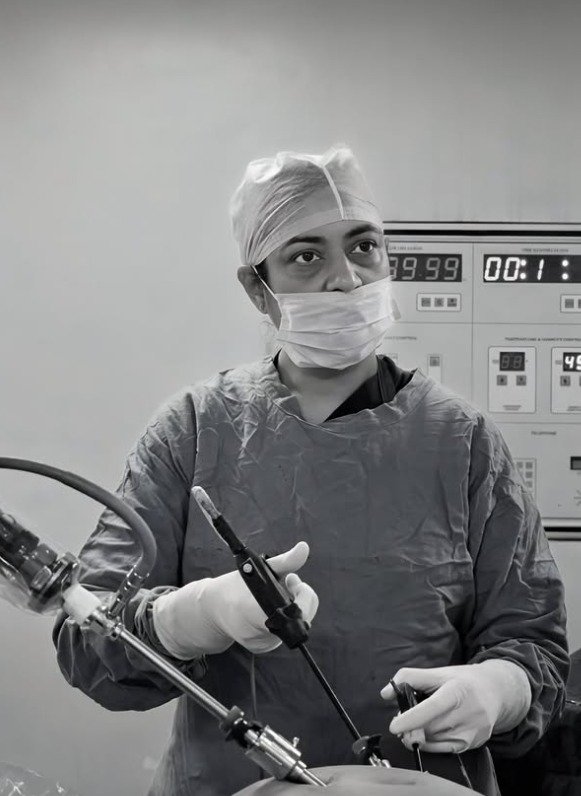
What Is Laparoscopic Gynecological Surgery?
Laparoscopic surgery is a minimally invasive technique. Instead of one large incision on the abdomen, the surgeon makes a few small cuts, usually around half to one centimetre each. Through one of them, a thin tube with a camera and light, called a laparoscope, is inserted. The camera sends a magnified view of the uterus, ovaries and fallopian tubes to a monitor. Through the other small cuts, fine instruments are used to perform the procedure. The abdomen is gently filled with carbon dioxide gas so the surgeon can see the organs clearly.
Who Is a Laparoscopic Gynecologist Surgeon in Bhopal?
A laparoscopic gynecologist surgeon is a qualified obstetrician-gynecologist who has additional training and experience in keyhole surgery for conditions of the female reproductive system. Laparoscopic surgery needs fine hand-eye coordination and good judgement. A surgeon must decide when keyhole surgery is safe and when open surgery is the better choice. When you choose a surgeon, ask about their qualifications, years of experience and how often they perform the specific procedure you need.
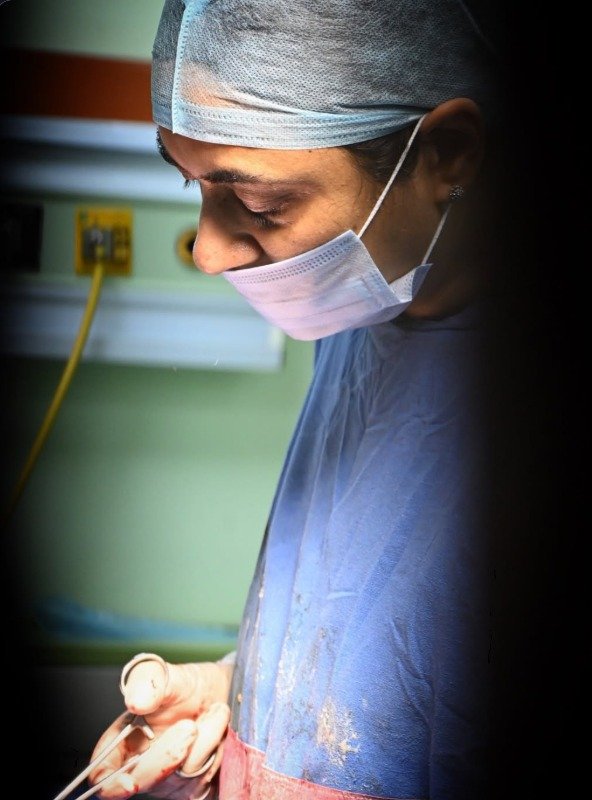
Conditions That May Be Treated Laparoscopically
Depending on your diagnosis and general health, a laparoscopic gynecologist surgeon in Bhopal may suggest laparoscopy for:
- Uterine fibroids: removal of fibroids while preserving the uterus (myomectomy), or removal of the uterus when needed.
- Ovarian cysts: removal of the cyst, often with preservation of healthy ovarian tissue.
- Endometriosis: diagnosis and removal of endometriosis deposits that cause pain and affect fertility.
- Unexplained infertility: checking the tubes, uterus and ovaries, and treating problems such as adhesions or blocked tubes.
- Chronic pelvic pain: finding the cause when scans and tests are not conclusive.
- Ectopic pregnancy: treatment of a pregnancy growing outside the uterus, which is a medical emergency.
- Heavy or painful periods: when medicines have not helped and surgery is advised.
- Pelvic adhesions: release of scar tissue that causes pain or blocks the tubes.
Benefits of Laparoscopic Surgery
Compared with traditional open surgery, laparoscopy can offer several advantages for suitable patients:
- Smaller incisions and less visible scarring
- Less pain after surgery
- A shorter hospital stay, often one or two days, depending on the procedure
- Faster return to normal daily activities
- Lower risk of wound infection and hernia at the incision site
- Less blood loss in many cases
The exact benefit depends on your condition and the procedure. Your surgeon will explain what you can realistically expect.
Is Laparoscopic Surgery Right for You?
Not every woman is a candidate for keyhole surgery. Your gynecologist will decide after examining you and reviewing your ultrasound or other tests. Factors include the size and position of the fibroid or cyst, previous abdominal surgeries, your general health, and whether a cancer is suspected. In some cases open surgery is safer, and a good surgeon will tell you so honestly. Sometimes surgery may start laparoscopically and need to be converted to open surgery for safety. This is a precaution, not a failure.
Without proper care, high-risk pregnancy can lead to complications. Early consultation with a High-Risk Pregnancy Specialist in Bhopal helps:
- Reduce risks
- Detect problems early
- Plan safe delivery
- Improve baby’s health
Timely care makes a big difference.
Common Laparoscopic Gynecological Procedures
Laparoscopic hysterectomy: removal of the uterus through small cuts. It may be advised for large fibroids, heavy bleeding, adenomyosis or other uterine conditions that have not responded to other treatment.
Laparoscopic myomectomy: removal of fibroids while keeping the uterus, which is often chosen by women who wish to have children in the future.
Laparoscopic ovarian cystectomy: removal of a cyst from the ovary while protecting the healthy part of the ovary as far as possible.
Laparoscopic treatment of endometriosis: removal or destruction of endometriosis tissue and release of adhesions.
Diagnostic laparoscopy for infertility: a direct look at the pelvic organs, often combined with treatment of any problem found.
Tubal surgery and ectopic pregnancy management: surgery on the fallopian tubes when needed.
Risks and Safety
All surgery carries some risk, and laparoscopy is no exception. Possible risks include bleeding, infection, injury to nearby organs such as the bowel, bladder or blood vessels, reaction to anaesthesia, and the need to convert to open surgery. These complications are not common, but you should know about them before you consent. Careful assessment before surgery and an experienced team led by a laparoscopic gynecologist surgeon in Bhopal reduce these risks.
What to Expect: Before, During and After Surgery
Before surgery: You will have a consultation, examination and tests such as blood tests and an ultrasound or MRI if needed. You will be told when to stop eating and drinking, and which medicines to continue or pause. This is the time to ask every question you have.
During surgery: Laparoscopy is usually done under general anaesthesia, so you will be asleep and will not feel pain. The procedure may take from under an hour to a few hours, depending on what is being done.
After surgery: You will be monitored in recovery and, once awake and stable, shifted to your room. You may feel some shoulder pain from the gas used during surgery, mild abdominal discomfort or bloating, which usually settle in a few days. Walking early is encouraged. Most women go home within a day or two, and many return to light daily activities within about one to two weeks, although this varies. You will be told when to resume exercise, heavy lifting and intimacy, and when to come back for a follow-up.
Call your doctor if you have fever, heavy bleeding, severe or worsening pain, vomiting that does not stop, redness or discharge from the cuts, or difficulty passing urine.
Why Consult Dr Versha Jain, Laparoscopic Gynecologist Surgeon in Bhopal?
Women choose Dr Versha Jain for her experience of more than 20 years in gynecology, pregnancy care and infertility treatment, and for the way she treats every patient with respect and privacy. She takes time to listen, explains your condition in simple language, and lays out your options so that you can take decisions without pressure. Surgery is advised only when it is truly needed, and the approach is chosen according to your age, health and future plans, including your wish to have children. Consultations are available at Pushpanjali Super Speciality Hospital & Test Tube Baby Center, easily reachable from Salaiya, Bawadiya Kalan, Kolar Road and nearby areas of Bhopal.
When Should You Consult a Laparoscopic Gynecologist Surgeon in Bhopal?
See a gynecologist if you have heavy or painful periods, pelvic pain that does not go away, a known fibroid or ovarian cyst, difficulty conceiving, or if you have been told that you need gynecological surgery and want a second opinion. Early evaluation often gives you more treatment choices.
You may also read about related care on our pages for Fibroid Uterus Treatment, Endometriosis Treatment, Hysterectomy and Female Infertility Treatment.
FAQs – High-Risk Pregnancy Care
1. Who is a laparoscopic gynecologist surgeon in Bhopal?
A laparoscopic gynecologist surgeon is a trained obstetrician-gynecologist who performs keyhole surgery on the uterus, ovaries and fallopian tubes. Dr Versha Jain (MBBS, MD) has over 20 years of experience in gynecology and consults at Pushpanjali Super Speciality Hospital & Test Tube Baby Center, Bhopal.
2. What is the difference between laparoscopic and open surgery?
In open surgery, one large cut is made on the abdomen. In laparoscopic surgery, a few small cuts are made and a camera guides the instruments. This usually means less pain, smaller scars and a faster recovery, but your doctor will decide which method is safe for you.
3. Which gynecological problems can be treated with laparoscopy?
Laparoscopy may be used for fibroids, ovarian cysts, endometriosis, pelvic adhesions, blocked fallopian tubes, ectopic pregnancy, chronic pelvic pain and some cases of infertility. It is also used for hysterectomy when surgery is advised.
4. Is laparoscopic surgery painful?
You are under anaesthesia during the procedure, so you do not feel pain. Afterwards there is usually mild to moderate discomfort and some shoulder pain from the gas used during surgery. This is generally less than after open surgery and is managed with medicines.
5. How long does recovery take after laparoscopic surgery?
Most women go home within one to two days. Many return to light daily activities in about one to two weeks, but recovery depends on the type of surgery and your health. Your doctor will tell you when you can resume work, exercise and intimacy.
6. Can I get pregnant after laparoscopic fibroid or cyst surgery?
In many cases, yes. Procedures such as myomectomy or cyst removal aim to preserve the uterus and ovaries. Your doctor will advise you how long to wait before trying to conceive, based on the surgery you had.
7. Is laparoscopic hysterectomy safe?
Laparoscopic hysterectomy is a widely used surgery when a hysterectomy is medically needed. Like all surgery, it has some risks, such as bleeding, infection or injury to nearby organs. A proper check-up and an experienced surgeon help reduce these risks.
8. Will I have scars after laparoscopic surgery?
The cuts are small, usually about half to one centimetre, and they fade with time. Scars are much less noticeable than after an open operation.
9. What is the cost of laparoscopic surgery in Bhopal?
The cost depends on the type of surgery, the tests needed, anaesthesia, the room category and the length of the hospital stay. Many health insurance policies cover medically necessary surgery, but please confirm with your insurer. Call :+91 94244 58944to get an estimate after your consultation.
10. When should I see a gynecologist for surgery advice?
See a gynecologist if you have heavy or painful periods, long-standing pelvic pain, a fibroid or ovarian cyst, trouble conceiving, or if you have been advised surgery and want a second opinion.