

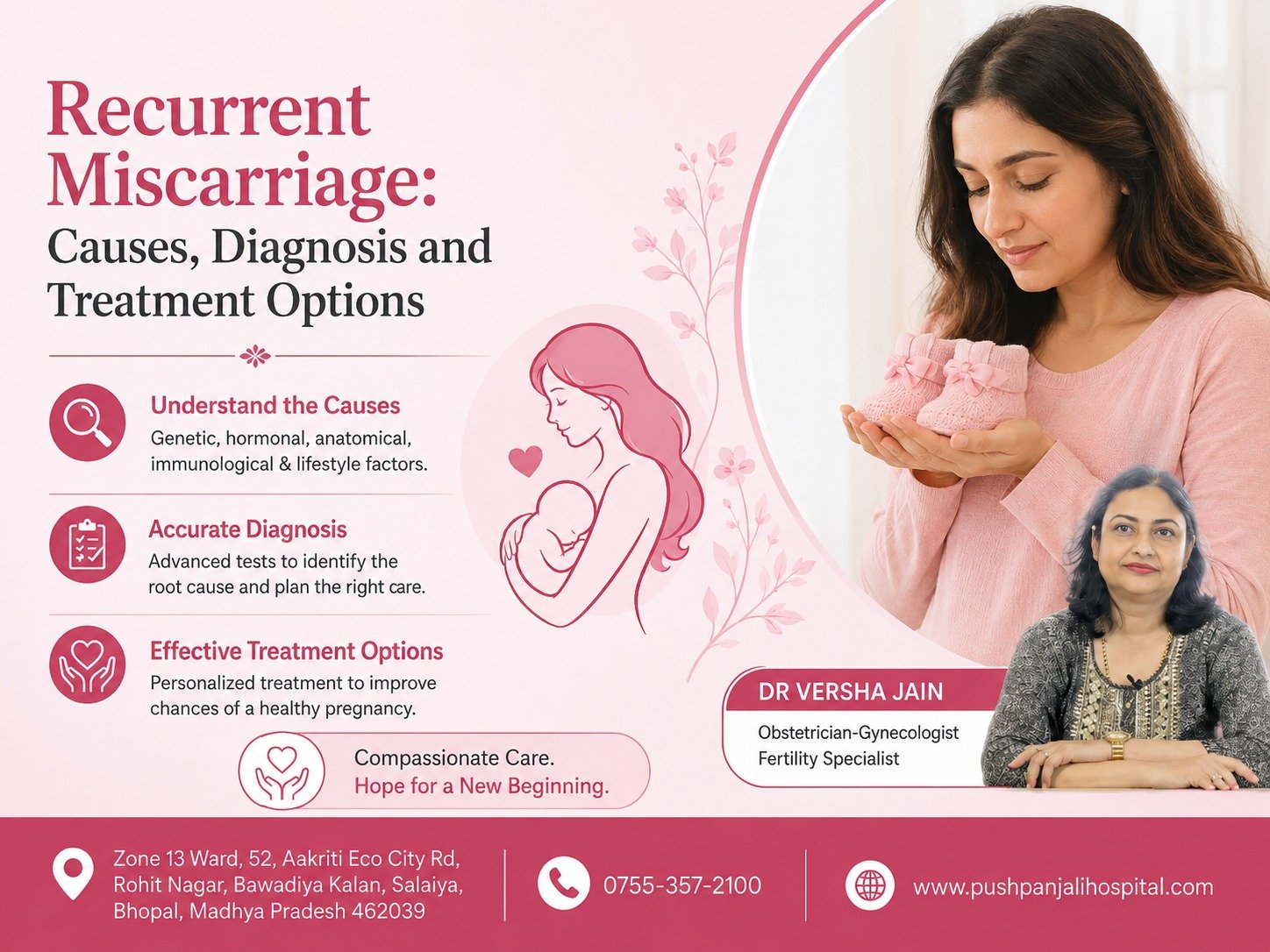
Experiencing a miscarriage can be emotionally overwhelming for any couple. When pregnancy loss happens repeatedly, it often raises several questions about the underlying cause and the chances of having a healthy pregnancy in the future. Seeking Recurrent Miscarriage Treatment in Bhopal at the right time can help identify possible medical factors and improve pregnancy outcomes through appropriate evaluation and care.
Recurrent miscarriage, also known as recurrent pregnancy loss, is generally defined as two or more consecutive pregnancy losses before 20 weeks of gestation. While a single miscarriage is relatively common, repeated miscarriages require detailed medical assessment to identify possible causes and develop a personalized treatment plan.
Fortunately, advances in reproductive medicine have made it possible for many couples to achieve a successful pregnancy after recurrent miscarriage.
With more than 20 years of experience in obstetrics, gynaecology, infertility treatment, and high-risk pregnancy management, Dr. Versha Jain, Best Gynaecologist in Bhopal, provides comprehensive evaluation and evidence-based treatment for women experiencing recurrent pregnancy loss. At Pushpanjali Super Speciality Hospital & Test Tube Baby Center, she focuses on identifying the underlying cause and offering individualized treatment to improve the chances of a healthy pregnancy.
What Is Recurrent Miscarriage?
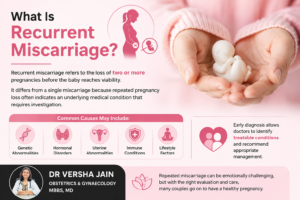
Recurrent miscarriage refers to the loss of two or more pregnancies before the baby reaches viability. It differs from a single miscarriage because repeated pregnancy loss often indicates an underlying medical condition that requires investigation.
Many couples believe repeated miscarriages happen purely because of bad luck. However, in many cases, factors such as genetic abnormalities, hormonal disorders, uterine abnormalities, immune conditions, or lifestyle factors may contribute to pregnancy loss. Early diagnosis allows doctors to identify treatable conditions and recommend appropriate management.
How Common Is Recurrent Miscarriage?
Recurrent miscarriage is less common than a single pregnancy loss. While miscarriage occurs in approximately 10–20% of recognized pregnancies, recurrent miscarriage affects only a small percentage of couples trying to conceive.
Although experiencing repeated pregnancy loss can be emotionally challenging, many women go on to have successful pregnancies after receiving the right medical care. Early
consultation for Recurrent Miscarriage Treatment in Bhopal helps improve the chances of identifying the underlying cause and planning future pregnancies safely.
What Causes Recurrent Miscarriage?
There is no single cause of recurrent miscarriage. In many women, multiple factors may contribute to repeated pregnancy loss.
Can Genetic Problems Cause Recurrent Miscarriage?
Yes. Chromosomal abnormalities are among the most common causes of recurrent miscarriage, particularly during the first trimester. Sometimes one partner carries a balanced chromosomal rearrangement without experiencing any health problems, but it may increase the risk of pregnancy loss.
Genetic counselling and chromosomal testing may be recommended for couples who have experienced multiple miscarriages.
Can Uterine Abnormalities Increase the Risk?
Structural abnormalities of the uterus can interfere with implantation and fetal development. Common uterine conditions include:
- Uterine septum
- Fibroids affecting the uterine cavity
- Intrauterine adhesions
- Congenital uterine abnormalities
- Endometrial polyps
Modern imaging techniques help diagnose these conditions accurately, and many can be treated successfully.
Can Hormonal Disorders Lead to Recurrent Pregnancy Loss?
Hormonal imbalance may affect the body’s ability to maintain a healthy pregnancy. Some common hormonal causes include:
- Thyroid disorders
- Uncontrolled diabetes
- Progesterone deficiency
- Polycystic Ovary Syndrome (PCOS)
Proper evaluation and treatment of hormonal disorders can significantly improve pregnancy outcomes.
Do Immune or Blood Clotting Disorders Play a Role?
Certain autoimmune and blood clotting disorders may increase the risk of recurrent miscarriage by affecting blood flow to the developing placenta.
Examples include:
- Antiphospholipid Syndrome (APS)
- Certain inherited thrombophilia disorders
- Autoimmune diseases
Early diagnosis allows appropriate medical management before and during pregnancy.
Can Lifestyle Factors Contribute to Recurrent Miscarriage?
Although lifestyle factors alone may not always cause miscarriage, they can increase pregnancy-related risks.
These include:
- Smoking
- Excessive alcohol consumption
- Obesity
- Poorly controlled chronic medical conditions
- Excessive caffeine intake
- High stress levels
Maintaining a healthy lifestyle before conception supports overall reproductive health.
What Are the Symptoms of Recurrent Miscarriage?
The most obvious symptom is repeated pregnancy loss. However, women may also experience symptoms during pregnancy that require immediate medical attention.
Common symptoms include:
- Vaginal bleeding
- Lower abdominal pain
- Pelvic cramps
- Passage of tissue
- Back pain
- Decrease in pregnancy symptoms in some cases
It is important to remember that not all bleeding during pregnancy results in miscarriage. Any unusual symptoms should be evaluated promptly by a qualified gynaecologist.
When Should You Consult a Gynaecologist?
Many couples wonder when they should seek medical advice after a miscarriage. You should consult a specialist if:
- You have experienced two or more consecutive
- You are above 35 years of age and planning
- You have irregular menstrual cycles or hormonal
- You have PCOS, thyroid disease, diabetes, or autoimmune
- There is a family history of recurrent pregnancy loss or genetic
- You have difficulty conceiving after previous
Early evaluation by Dr. Versha Jain, an experienced Infertility Specialist in Bhopal, helps identify the underlying cause and allows timely treatment planning for a healthier future pregnancy.
How Is Recurrent Miscarriage Diagnosed?
Identifying the exact reason for repeated pregnancy loss is one of the most important steps in planning a successful pregnancy. Since recurrent miscarriage can occur due to several medical factors, your gynaecologist may recommend a comprehensive evaluation instead of relying on a single test. The goal of diagnosis is to identify treatable conditions and create a personalized care plan.
What Medical History Will Your Doctor Review?
The evaluation usually begins with a detailed discussion about your reproductive and medical history.
Your doctor may ask about:
- Number and timing of previous miscarriages
- Previous pregnancies and deliveries
- Menstrual history
- Existing medical conditions
- Family history of genetic disorders
- Current medications
- Lifestyle habits
A detailed history often provides important clues that help guide further investigations.
What Tests Are Recommended for Recurrent Miscarriage?
Several investigations may be advised depending on your medical history and symptoms.
Blood Tests
Blood investigations help identify hormonal, metabolic, and immune-related conditions. These may include:
- Thyroid function tests
- Blood sugar levels
- Hormonal profile
- Antiphospholipid antibody testing
- Complete blood count
- Vitamin deficiency assessment (when indicated)
Genetic Testing
Chromosomal analysis (Karyotyping) may be recommended for both partners if a genetic cause is suspected. In some situations, genetic testing of pregnancy tissue from a previous miscarriage may also provide valuable information.
Ultrasound Examination
Pelvic ultrasound helps evaluate the uterus and ovaries. It can identify:
- Fibroids
- Uterine septum
- Congenital uterine abnormalities
- Ovarian disorders
- Endometrial abnormalities
Hysteroscopy
A hysteroscopy allows direct visualization of the uterine cavity and helps diagnose structural abnormalities that may interfere with implantation or pregnancy.
Additional Imaging
Depending on individual findings, your doctor may also recommend:
- Sonohysterography
- MRI (selected cases)
- Hysterosalpingography (HSG)
These investigations help assess the shape and condition of the uterus more accurately.
What Are the Treatment Options for Recurrent Miscarriage?
The treatment depends entirely on the underlying cause. Every woman requires an individualized approach based on her medical condition, reproductive history, and future pregnancy plans.
Can Hormonal Problems Be Treated?
Yes. Hormonal disorders are among the treatable causes of recurrent pregnancy loss.
Treatment may include:
- Thyroid hormone correction
- Blood sugar control for diabetes
- Progesterone support when appropriate
- Management of PCOS
- Weight optimization
Correcting hormonal imbalance before conception may improve the chances of maintaining a healthy pregnancy.
Can Surgery Help in Some Women?
If structural abnormalities are responsible, minimally invasive procedures may be recommended.
Examples include:
- Removal of uterine septum
- Hysteroscopic removal of polyps
- Selected fibroid surgery
- Treatment of intrauterine adhesions
These procedures may improve the environment for implantation and fetal development.
How Are Blood Clotting Disorders Managed?
Women diagnosed with Antiphospholipid Syndrome or certain clotting disorders may benefit from medications during pregnancy under specialist supervision.
Treatment is carefully planned after confirmation of the diagnosis and regular monitoring throughout pregnancy.
Is Genetic Counselling Helpful?
Yes. If chromosomal abnormalities are identified, genetic counselling helps couples understand:
- The cause of pregnancy loss
- Future pregnancy risks
- Available reproductive options
- Prenatal testing possibilities
Counselling enables informed decision-making and realistic pregnancy planning.
Can Lifestyle Changes Improve Pregnancy Outcomes?
Healthy lifestyle choices support reproductive health and overall well-being. Your doctor may recommend:
- Maintaining a healthy body weight
- Eating a balanced diet
- Taking folic acid before conception
- Avoiding smoking and alcohol
- Limiting excessive caffeine intake
- Managing stress effectively
- Regular physical activity as advised
Although lifestyle changes cannot prevent every miscarriage, they contribute to healthier pregnancies.
Can Women Have a Healthy Pregnancy After Recurrent Miscarriage?
Yes. One of the most reassuring facts is that many women with recurrent miscarriage eventually have successful pregnancies.
With appropriate evaluation, treatment, and close antenatal monitoring, pregnancy outcomes improve significantly for many couples.
Receiving Recurrent Miscarriage Treatment in Bhopal early allows potential medical problems to be identified before conception or during the early stages of pregnancy, improving the chances of carrying the pregnancy successfully.
Why Is Early Medical Evaluation Important?
Delaying medical consultation after repeated pregnancy loss may postpone diagnosis of treatable conditions.
Early evaluation offers several advantages:
- Identification of underlying causes
- Personalized treatment planning
- Better pregnancy monitoring
- Reduced pregnancy-related complications
- Emotional support and counselling
- Improved confidence while planning another pregnancy
Seeking timely care from an experienced Best Gynaecologist in Bhopal helps couples move forward with appropriate guidance and realistic expectations.

How Can Emotional Support Help After Recurrent Miscarriage?
Repeated pregnancy loss affects both physical and emotional health. Feelings of grief, anxiety, frustration, and uncertainty are common.
Support may include:
- Open communication with your partner
- Counselling when required
- Family support
- Stress management techniques
- Joining pregnancy support groups
- Following medical advice consistently
Addressing emotional well-being is an important part of comprehensive care for recurrent miscarriage.
Why Choose Dr. Versha Jain for Recurrent Miscarriage Treatment?
Managing recurrent miscarriage requires accurate diagnosis, individualized treatment, and careful monitoring throughout pregnancy.
With more than 20 years of experience, Dr. Versha Jain has extensive expertise in managing recurrent pregnancy loss, infertility, high-risk pregnancies, and complex gynaecological conditions. As a Best Gynaecologist in Bhopal, she provides
evidence-based evaluation and personalized treatment plans based on each patient’s unique medical needs.
Practising at Pushpanjali Super Speciality Hospital & Test Tube Baby Center, Dr. Versha Jain focuses on identifying the underlying cause of recurrent miscarriage and guiding couples through every stage of pregnancy with compassionate, comprehensive care.
Call to Action
If you have experienced repeated pregnancy loss or are planning a pregnancy after miscarriage, consult Dr. Versha Jain, an experienced Infertility Specialist in Bhopal, for a comprehensive evaluation and personalized treatment plan. Timely diagnosis and appropriate medical care can help improve pregnancy outcomes and support your journey toward a healthy pregnancy.
Frequently Asked Questions (FAQs) – Best Gynaecologist in Bhopal
1. What is recurrent miscarriage?
Recurrent miscarriage refers to two or more consecutive pregnancy losses before 20 weeks of pregnancy. It requires detailed medical evaluation to identify possible underlying causes.
2. What causes recurrent miscarriage?
Common causes include chromosomal abnormalities, uterine abnormalities, hormonal disorders, autoimmune conditions, blood clotting disorders, and certain lifestyle factors. Sometimes, no specific cause can be identified despite thorough evaluation.
3. When should I seek medical evaluation after miscarriage?
Medical evaluation is generally recommended after two or more consecutive miscarriages, especially if you are planning another pregnancy or have additional risk factors.
4. Can recurrent miscarriage be treated?
Yes. Treatment depends on the underlying cause and may include hormonal therapy, surgical correction of uterine abnormalities, management of medical conditions, lifestyle modifications, or specialized pregnancy care.
5. Can PCOS increase the risk of recurrent miscarriage?
Women with Polycystic Ovary Syndrome (PCOS) may have an increased risk of pregnancy complications. Appropriate medical management before and during pregnancy can improve outcomes.
6. Can I have a healthy pregnancy after recurrent miscarriage?
Yes. Many women go on to have successful pregnancies after receiving appropriate diagnosis, treatment, and regular pregnancy monitoring.
7. What tests are usually recommended for recurrent miscarriage?
Your doctor may recommend blood tests, ultrasound, genetic testing, hormonal evaluation, uterine cavity assessment, and other investigations based on your medical history.
8. Why should I consult Dr. Versha Jain for recurrent miscarriage?
With over 20 years of experience in infertility treatment, high-risk pregnancy care, and women’s health, Dr. Versha Jain provides comprehensive evaluation and evidence-based management for women experiencing recurrent pregnancy loss.
Conclusion – Best Gynaecologist in Bhopal
Experiencing repeated pregnancy loss can be emotionally challenging, but it does not mean that a successful pregnancy is impossible. Many underlying causes of recurrent miscarriage can be identified and managed with timely medical evaluation and appropriate treatment.
Advances in reproductive medicine have significantly improved pregnancy outcomes for women facing recurrent pregnancy loss.
If you have experienced two or more consecutive miscarriages, seeking Recurrent Miscarriage Treatment in Bhopal can help determine the underlying cause and guide you toward the most suitable treatment options. Early diagnosis, personalized care, and regular pregnancy monitoring play a vital role in improving the chances of a healthy pregnancy.