


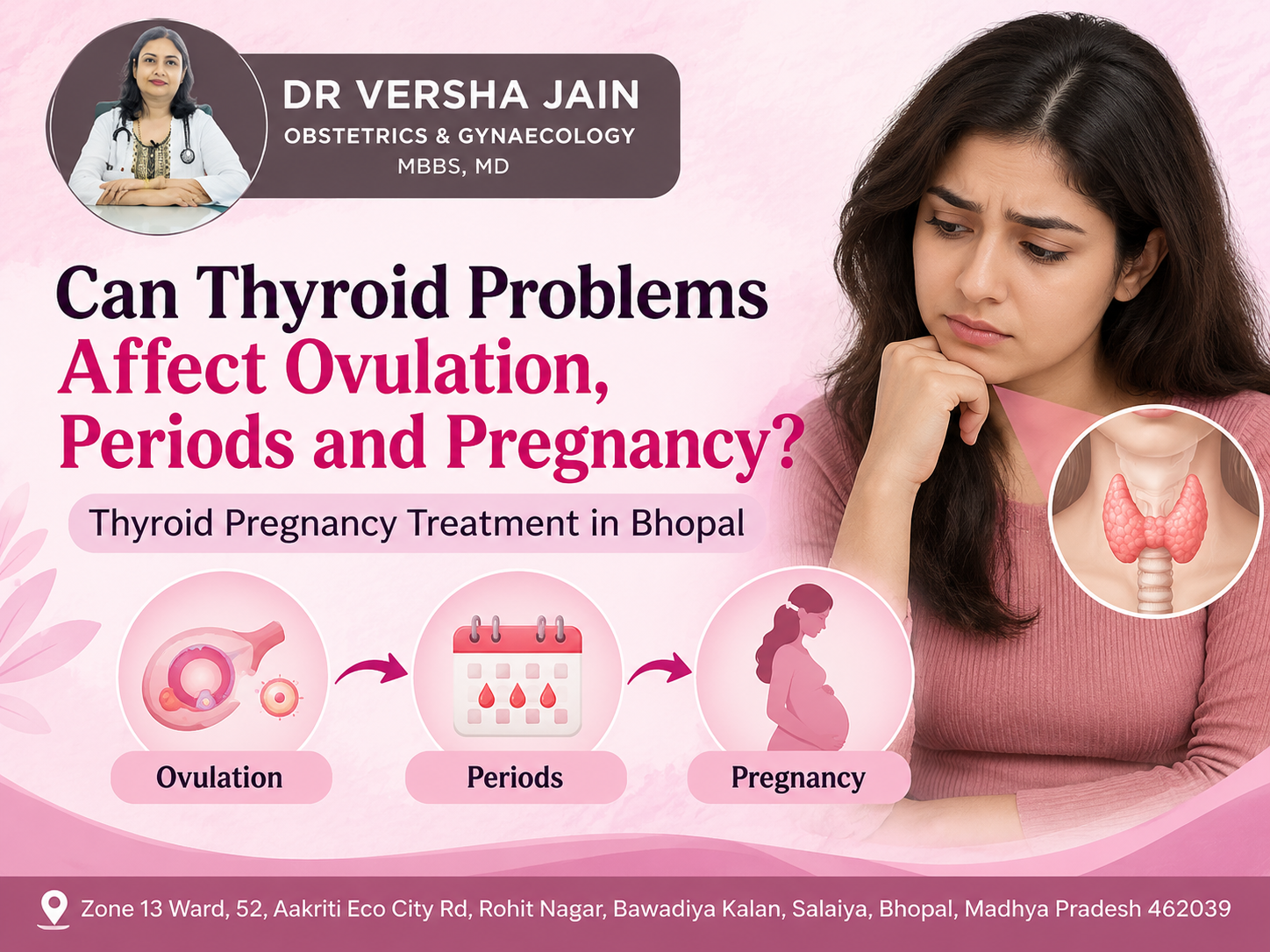
Thyroid hormones play an important role in regulating metabolism, menstrual cycles, ovulation, and reproductive health. When the thyroid gland produces too much or too little hormone, it may affect a woman’s periods, ability to conceive, and pregnancy outcomes. Understanding these changes can help women seek timely medical advice and appropriate treatment.
If you are experiencing irregular periods, difficulty conceiving, or thyroid-related concerns during pregnancy, understanding Thyroid Pregnancy Treatment in Bhopal can help you learn about evaluation, monitoring, and treatment options. Dr. Versha Jain provides women’s healthcare services, and patients can enquire about appropriate gynaecological evaluation for their concerns.
In this article, we explain how thyroid problems can affect ovulation, menstrual cycles, fertility, and pregnancy, along with the importance of thyroid testing and medical supervision.
What Is the Thyroid Gland and Why Is It Important During Pregnancy?
The thyroid is a small, butterfly-shaped gland located at the front of the neck. It produces hormones called thyroxine (T4) and triiodothyronine (T3), which help regulate metabolism and support several functions throughout the body.
Thyroid hormones also interact with reproductive hormones that influence ovulation and menstruation. When thyroid function is abnormal, menstrual cycles may become irregular, and some women may experience difficulty conceiving.
Understanding Thyroid Pregnancy Treatment in Bhopal begins with identifying whether the thyroid gland is underactive or overactive and determining how the condition affects an individual’s health.
A Gynecologist in Bhopal can help evaluate menstrual changes and pregnancy-related concerns and coordinate appropriate thyroid assessment when needed.
Can Thyroid Problems Affect Ovulation?
Yes. Both an underactive thyroid, known as hypothyroidism, and an overactive thyroid, known as hyperthyroidism, may interfere with normal reproductive function.
Ovulation is the process in which an ovary releases an egg. Hormonal changes associated with thyroid disorders can sometimes disrupt this process, making ovulation irregular or less predictable.
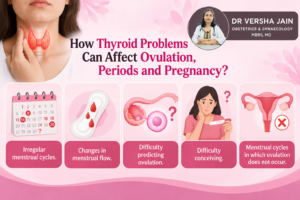
Women with thyroid dysfunction may experience:
- Irregular menstrual cycles.
- Changes in menstrual flow.
- Difficulty predicting ovulation.
- Difficulty conceiving.
- Menstrual cycles in which ovulation does not occur.
These symptoms do not automatically mean that a woman has a thyroid disorder. Other conditions, including polycystic ovary syndrome (PCOS), elevated prolactin levels, stress, and significant weight changes, can also affect ovulation. For women planning pregnancy, Dr. Versha Jain can be consulted regarding gynaecological evaluation and the next appropriate steps. The need for Thyroid Pregnancy Treatment in Bhopal depends on thyroid test results, symptoms, reproductive plans, and individual medical history.
How Does Hypothyroidism Affect Periods and Fertility?
Hypothyroidism occurs when the thyroid gland does not produce enough thyroid hormones. It can affect several body functions, including menstrual regularity and reproductive health.
Hypothyroidism and Irregular Periods
Some women with an underactive thyroid experience heavier periods, longer menstrual cycles, irregular bleeding, or changes in menstrual flow. Others may notice that their periods become less frequent. Thyroid hormone changes can also affect prolactin levels and the hormonal signals involved in ovulation. If your menstrual cycle changes unexpectedly, a Gynecologist in Bhopal may recommend an assessment based on your symptoms, medical history, and examination findings.
Hypothyroidism and Difficulty Conceiving
Untreated hypothyroidism can interfere with ovulation and may contribute to fertility difficulties. However, thyroid problems are only one possible cause of difficulty conceiving. A medical evaluation may include thyroid function tests, an assessment of ovulation, and other investigations depending on the patient’s circumstances. Women who are planning pregnancy or experiencing fertility concerns can discuss thyroid evaluation and reproductive health with Dr. Versha Jain. Appropriate Thyroid Pregnancy Treatment in Bhopal may involve thyroid hormone replacement when indicated, followed by monitoring to ensure that hormone levels reach the recommended range.
How Does Hyperthyroidism Affect Ovulation and Pregnancy?
Hyperthyroidism occurs when the thyroid gland produces more thyroid hormones than the body needs. This condition can increase metabolism and affect menstrual and reproductive function.
Women with hyperthyroidism may experience:
- Lighter or less frequent periods.
- Irregular menstrual cycles.
- Palpitations or a rapid heartbeat.
- Increased sweating or heat intolerance.
- Unexplained weight loss.
- Anxiety, restlessness, or difficulty sleeping.
Not every woman experiences all these symptoms. Some symptoms can overlap with other medical conditions, so testing is necessary to establish the cause.
A Gynecologist in Bhopal can help assess menstrual or pregnancy-related concerns and coordinate care with an endocrinologist when appropriate.
If hyperthyroidism is diagnosed during pregnancy, treatment requires careful supervision because both the condition and its treatment can affect maternal and fetal health. Thyroid Pregnancy Treatment in Bhopal should therefore be planned according to thyroid hormone levels, pregnancy stage, and individual clinical needs.
Can Thyroid Problems Affect Your Chances of Getting Pregnant?
Thyroid disorders can sometimes affect fertility by disrupting ovulation and the hormonal processes involved in reproduction. However, having a thyroid condition does not necessarily mean that a woman cannot conceive.
The likelihood of pregnancy depends on several factors, including:
- Whether ovulation occurs regularly.
- The type and severity of the thyroid disorder.
- Whether thyroid hormone levels are adequately controlled.
- Age and overall reproductive health.
- Other possible fertility factors affecting either partner.
When thyroid dysfunction is identified and appropriately managed, reproductive health may improve in some women. The results vary depending on the underlying condition and other factors affecting fertility.
Women who are trying to conceive can discuss their medical history, menstrual pattern, and thyroid test results with Dr. Versha Jain. A Gynecologist in Bhopal may recommend further evaluation if conception does not occur as expected.
Why Is Thyroid Testing Important Before and During Pregnancy?
Thyroid testing can help identify hormone abnormalities that may need treatment before conception or during pregnancy. Testing is particularly important for women with a known thyroid disorder, relevant symptoms, or a medical history that increases their risk.
Thyroid Function Tests
Doctors commonly use blood tests to measure thyroid-stimulating hormone (TSH) and, when appropriate, free thyroxine (free T4). Additional tests may be recommended depending on the suspected condition.
Pregnancy changes the way thyroid results are interpreted. Reference ranges and treatment targets may vary according to the stage of pregnancy, laboratory methods, and clinical guidelines.
Testing Before Conception
Women with known thyroid disease who are planning pregnancy should discuss their thyroid control and medication with their healthcare professional. Some women may need their treatment adjusted before conception.
Monitoring During Pregnancy
Women receiving treatment for thyroid disease may need repeat blood tests during pregnancy. Monitoring helps clinicians assess whether treatment remains appropriate as the pregnancy progresses.
Dr. Versha Jain can help patients understand when gynaecological assessment is appropriate and whether coordination with a thyroid specialist is needed. The plan for Thyroid Pregnancy Treatment in Bhopal should be based on individual test results and medical advice rather than symptoms alone.
What Are the Risks of Untreated Thyroid Problems During Pregnancy?
Thyroid hormone levels are important for maternal health and the developing baby. Untreated or inadequately controlled thyroid disorders may increase the risk of certain pregnancy complications.
Depending on the condition and its severity, these may include:
- Pregnancy loss.
- Premature birth.
- High blood pressure during pregnancy.
- Problems with fetal growth.
- Other maternal or newborn complications.
The risks vary between individuals and are influenced by the type of thyroid disorder, hormone levels, timing of diagnosis, and treatment.
This does not mean that every woman with a thyroid condition will experience complications. Many women with thyroid disorders have healthy pregnancies with appropriate monitoring and treatment.
A Gynecologist in Bhopal can help coordinate pregnancy care, while an endocrinologist or other relevant specialist may assist with thyroid management when necessary.
What Treatment Is Available for Thyroid Problems During Pregnancy?
The appropriate treatment depends on whether the thyroid is underactive or overactive, the severity of the condition, and whether the patient is pregnant or planning conception.
Treatment for Hypothyroidism
Hypothyroidism is commonly treated with levothyroxine, a medicine that replaces the thyroid hormone the body lacks.
During pregnancy, the required dose may change. Women taking levothyroxine should contact their healthcare professional promptly after confirming pregnancy so that their treatment and monitoring can be reviewed.
Medication should not be started, stopped, or adjusted without medical guidance.
Treatment for Hyperthyroidism
Treatment for hyperthyroidism during pregnancy requires careful selection of medicines and monitoring. The appropriate approach depends on the cause of the condition, hormone levels, pregnancy stage, and potential risks.
Some treatments used outside pregnancy may not be suitable during pregnancy. Radioactive iodine treatment must not be used during pregnancy.
Follow-Up and Monitoring
Regular follow-up helps clinicians assess thyroid hormone levels and determine whether treatment needs adjustment. The frequency of testing depends on the diagnosis, medication, and stage of pregnancy.
Women seeking Thyroid Pregnancy Treatment in Bhopal should discuss their test results, medicines, and pregnancy plans with the appropriate healthcare professional. Dr. Versha Jain can be contacted for information about relevant gynaecological services and coordination of care.
Can Thyroid Problems Cause Miscarriage?
Both untreated hypothyroidism and inadequately controlled hyperthyroidism may be associated with an increased risk of pregnancy complications, including pregnancy loss. Certain thyroid autoimmune conditions may also be relevant in some patients. However, miscarriage can occur for many reasons, and thyroid dysfunction is not the cause in every case.
Women with known thyroid disease who are planning pregnancy or have experienced pregnancy loss should discuss their history with their healthcare professional. Testing and treatment recommendations should be individualized. A Gynecologist in Bhopal can help evaluate reproductive health concerns and determine whether thyroid testing or specialist input is appropriate.
How Can You Manage Thyroid Health While Planning Pregnancy?
Taking appropriate steps before conception can help women with thyroid disorders prepare for pregnancy.
Follow Your Prescribed Treatment
Take thyroid medication according to your healthcare professional’s instructions. Do not change the dose based on symptoms alone.
Attend Recommended Blood Tests
Regular monitoring helps assess whether thyroid hormone levels are within the appropriate range for your condition and pregnancy plans.
Discuss Supplements and Iodine Intake
Iodine is important for thyroid hormone production, but excessive intake can also cause problems. Discuss prenatal vitamins, iodine supplements, and other medicines with your healthcare professional before using them.
Share Your Medical History
Inform your doctor about previous thyroid problems, menstrual changes, fertility difficulties, pregnancy losses, and any medicines you take.
Seek Advice Before Changing Medication
Women who discover they are pregnant while taking thyroid medication should contact their healthcare professional promptly. They should not stop prescribed treatment without medical advice.
Dr. Versha Jain can be contacted for guidance on the appropriate gynaecological assessment and pregnancy care pathway. The right Thyroid Pregnancy Treatment in Bhopal depends on the individual’s diagnosis, test results, and stage of pregnancy.
When Should You Consult a Gynecologist for Thyroid-Related Concerns?
Consider seeking medical advice if you experience persistent menstrual irregularities, difficulty conceiving, or symptoms that may be related to a thyroid disorder. You should also discuss thyroid monitoring if you have a known thyroid condition and are planning pregnancy or have recently become pregnant.
Symptoms such as unexplained weight changes, persistent fatigue, heat or cold intolerance, and changes in heart rate may have several causes. A medical assessment can help determine whether thyroid testing is appropriate.
A Gynecologist in Bhopal can evaluate menstrual and reproductive concerns and coordinate with an endocrinologist when needed. Patients can contact Dr. Versha Jain to enquire about available consultation services and the appropriate next step.
Frequently Asked Questions – Thyroid Pregnancy Treatment in Bhopal
1. Can thyroid problems affect ovulation and pregnancy?
Yes. Both hypothyroidism and hyperthyroidism may affect ovulation, menstrual cycles, and fertility. Appropriate testing and treatment can help manage thyroid dysfunction before and during pregnancy. Thyroid Pregnancy Treatment in Bhopal should be based on individual thyroid results and medical advice.
2. Who should I consult for thyroid problems during pregnancy in Bhopal?
Women with thyroid-related pregnancy concerns can consult a Gynecologist in Bhopal for pregnancy and reproductive health assessment. Depending on the diagnosis, care may also involve an endocrinologist or thyroid specialist. Dr. Versha Jain can be contacted to enquire about relevant services and referrals when needed.
3. Can hypothyroidism cause irregular periods?
Yes. Hypothyroidism may contribute to heavier, irregular, or less frequent periods in some women. However, other conditions can cause similar changes. A Gynecologist in Bhopal can help determine whether thyroid testing or further evaluation is appropriate.
4. Is thyroid treatment safe during pregnancy?
Treatment depends on the thyroid disorder and the patient’s clinical condition. Levothyroxine is commonly used for hypothyroidism, while hyperthyroidism requires carefully selected treatment and monitoring. Thyroid Pregnancy Treatment in Bhopal should be supervised by an appropriate healthcare professional, and prescribed medication should not be stopped without medical advice.
5. Can thyroid problems make it difficult to conceive?
Yes. Thyroid dysfunction can interfere with ovulation and may contribute to difficulty conceiving. However, fertility depends on several factors. Dr. Versha Jain can be contacted to enquire about gynaecological evaluation and whether thyroid assessment may be appropriate.
6. Which thyroid tests are needed during pregnancy?
TSH and free T4 are commonly used when thyroid function needs assessment. Additional tests may be recommended based on symptoms, medical history, and previous results. A Gynecologist in Bhopal or the treating thyroid specialist can advise on appropriate testing and follow-up.
7. Can thyroid problems increase the risk of miscarriage?
Untreated or inadequately controlled thyroid disorders may increase the risk of certain pregnancy complications, including pregnancy loss. However, miscarriages have many possible causes. Thyroid Pregnancy Treatment in Bhopal should be individualized according to the diagnosis, pregnancy stage, and test results.
8. When should I consult Dr. Versha Jain for thyroid-related pregnancy concerns?
You can contact Dr. Versha Jain if you are planning pregnancy, experiencing menstrual changes, or need gynaecological guidance alongside thyroid care. A Gynecologist in Bhopal can assess reproductive health concerns and coordinate further evaluation when appropriate.
Conclusion – Thyroid Pregnancy Treatment in Bhopal
Thyroid hormones influence menstrual cycles, ovulation, fertility, and pregnancy. Both an underactive and an overactive thyroid can affect reproductive health, but appropriate diagnosis, treatment, and monitoring can help manage these conditions.
Women experiencing irregular periods, difficulty conceiving, or thyroid-related concerns during pregnancy should seek medical advice rather than self-diagnosing. Timely thyroid testing and individualized care are especially important before conception and throughout pregnancy.
If you are looking for Thyroid Pregnancy Treatment in Bhopal, contact Dr. Versha Jain to enquire about relevant gynaecological services and the appropriate care pathway. Depending on your condition, coordinated care with a thyroid specialist may also be recommended.